





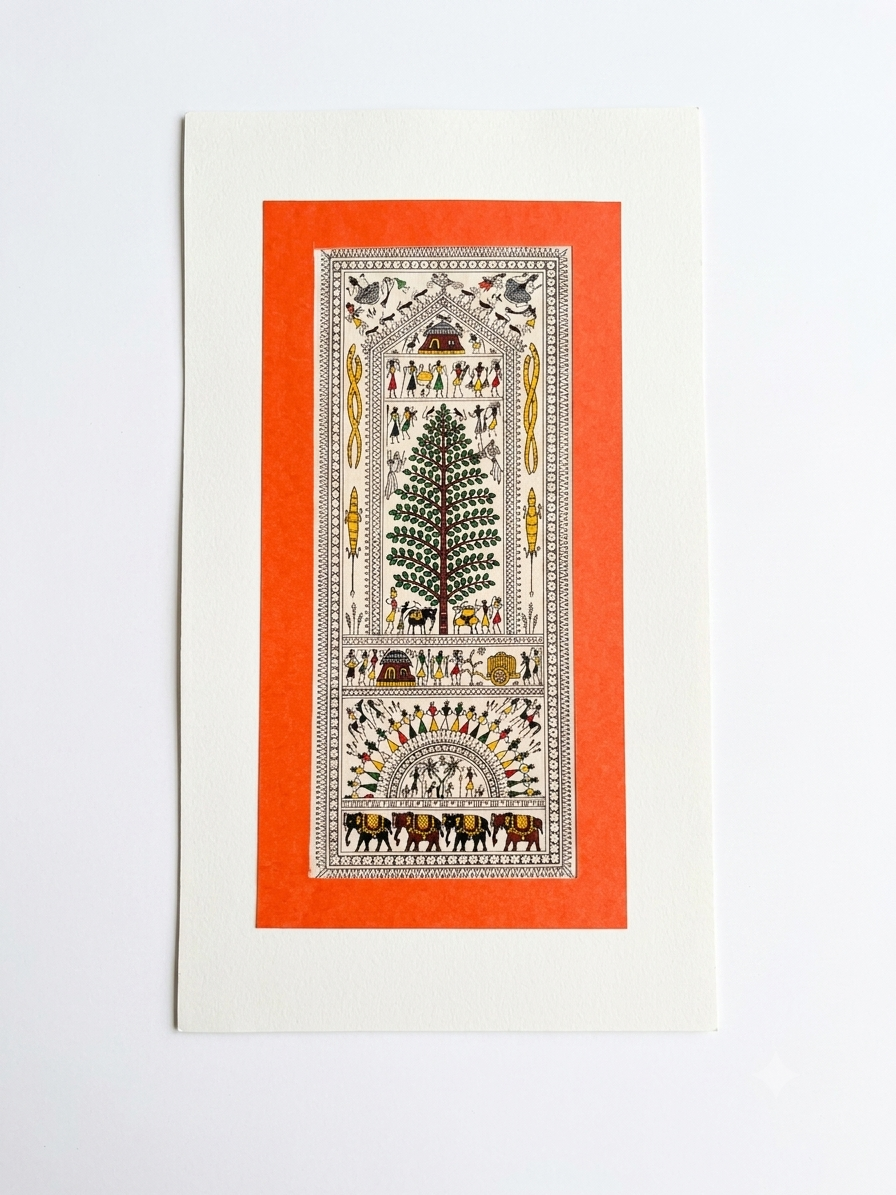
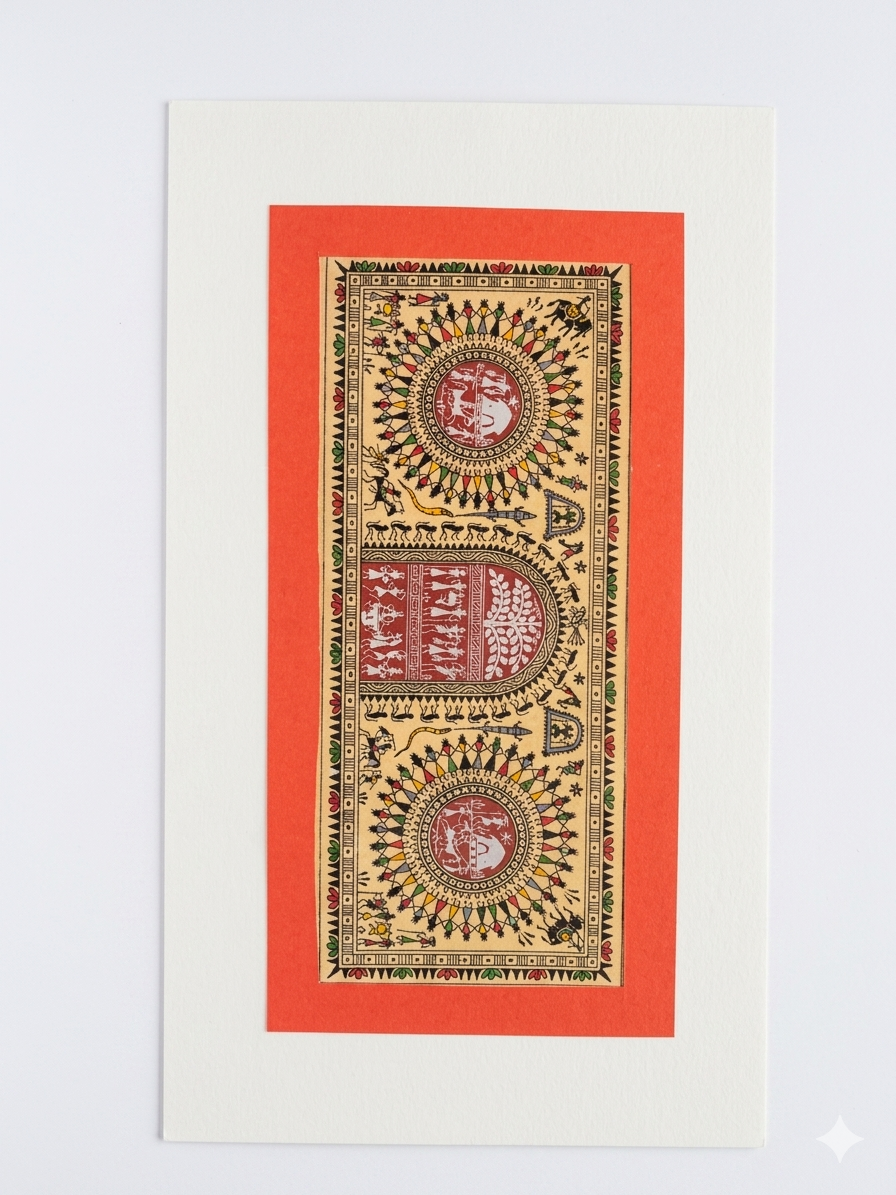
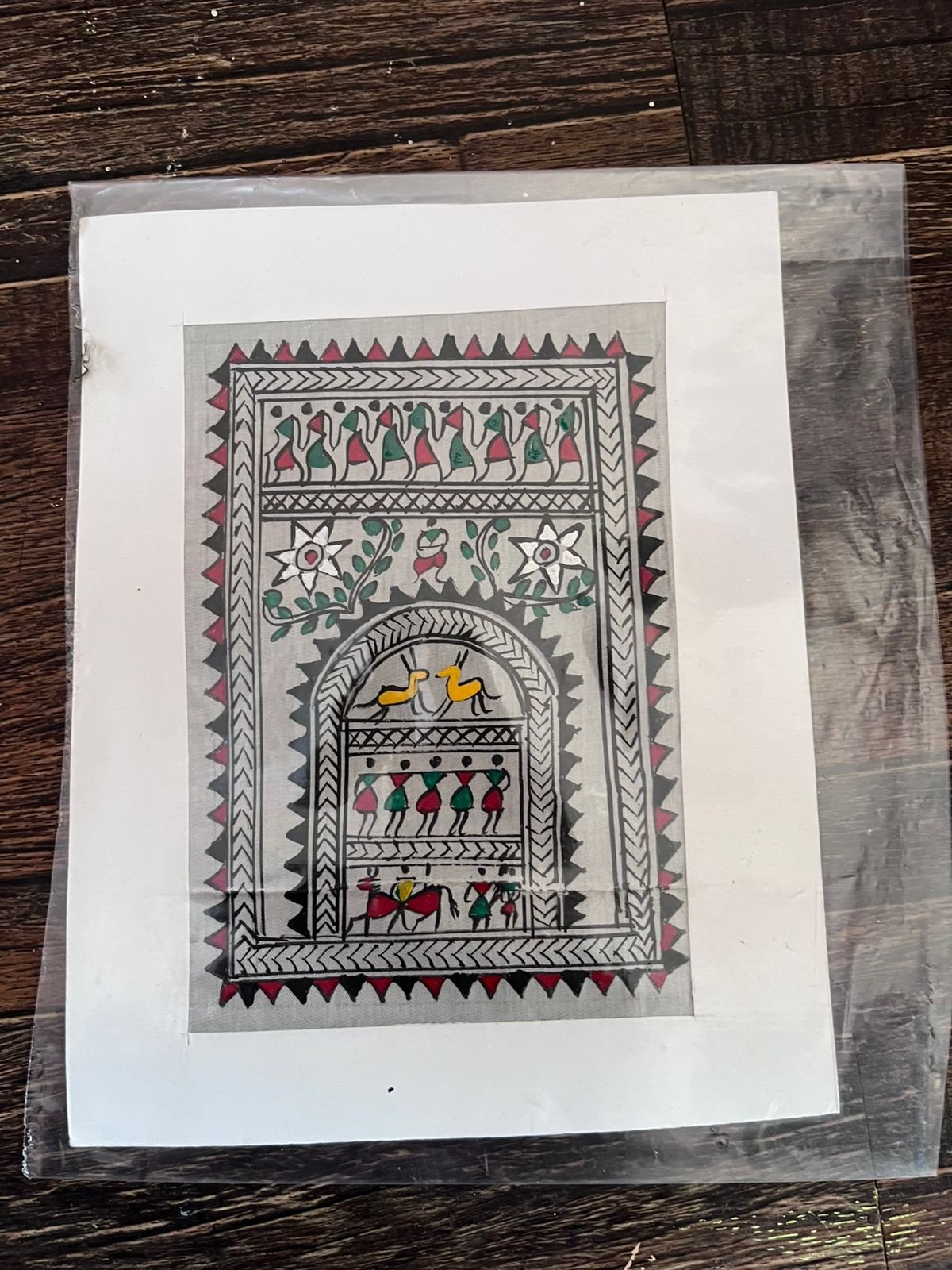
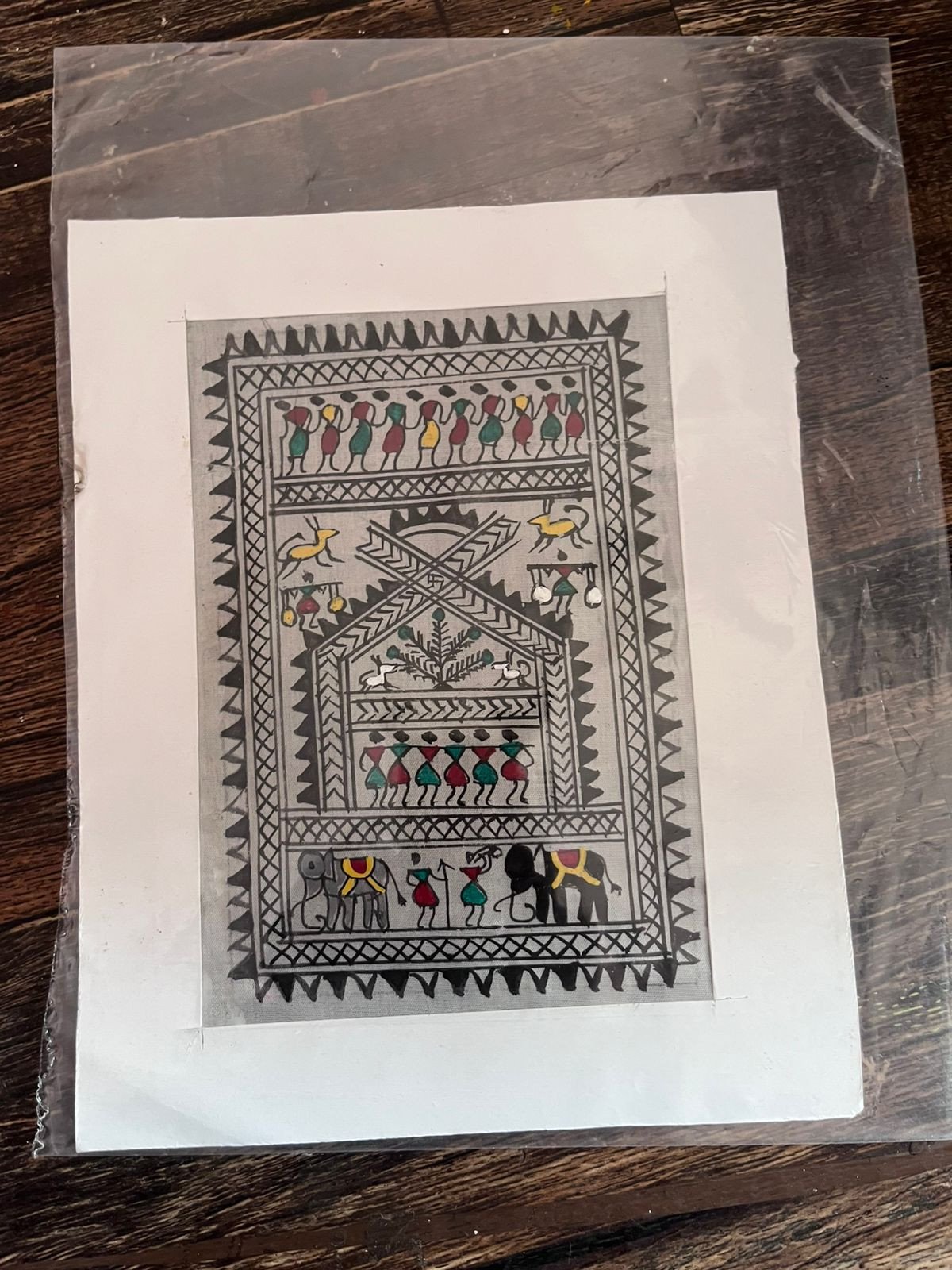
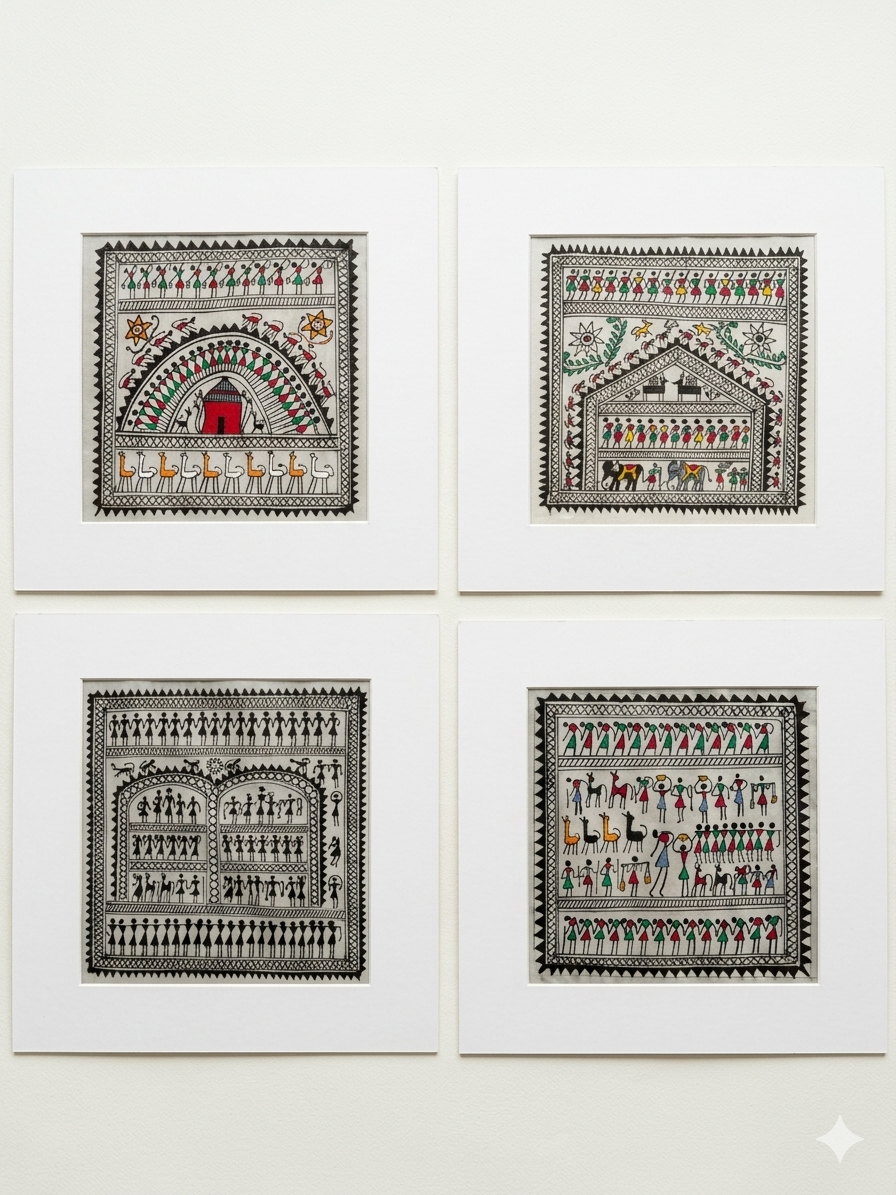
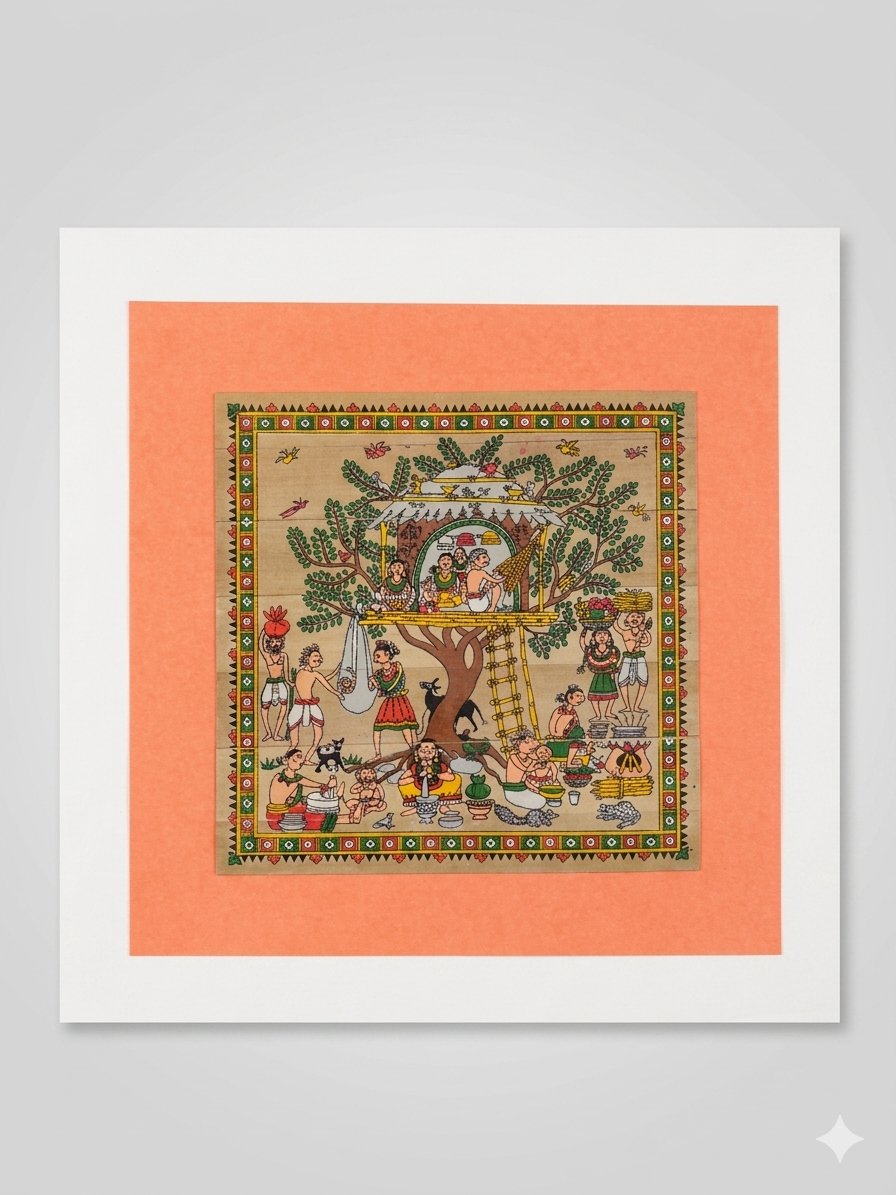
This artwork is a highly detailed and beautifully structured example of Warli painting, a tribal art form originating from Maharashtra, India, known for its geometric representation of the natural and social world.
Structure and Composition: The painting is presented on a cream-toned background, highlighted by a bold, bright orange-red matting border. It is organized into distinct horizontal tiers, a common method in Warli art for narrating complex stories or snapshots of tribal life.
Key Symbolic Elements:
Central "Tree of Life": The upper-middle section is dominated by a grand, stylized tree, which is a central motif in Warli art representing growth, interconnectedness, and the environment. Figures are depicted around its base, engaging in daily activities.
Daily and Communal Life: Moving through the tiers, one can see scenes of village dwellings, people transporting goods, a bullock cart, and the iconic Tarpa dance (a semi-circular dance formation), which symbolizes communal harmony and celebration.
Bottom Tier: The narrative concludes with a procession of elephants, signifying power, prestige, and the importance of animals in the tribal landscape.
Artistic Style: The painting employs the classic Warli language of white geometric shapes—circles, triangles, and squares—against a textured background. The addition of subtle earth-toned colors on the tree, elephants, and figures provides a modern touch while respecting the traditional aesthetic.
This piece is a masterful visual narrative that captures the essence of tribal existence, where every element is carefully placed to reflect a harmonious relationship between the community, nature, and cultural rituals.
Related products
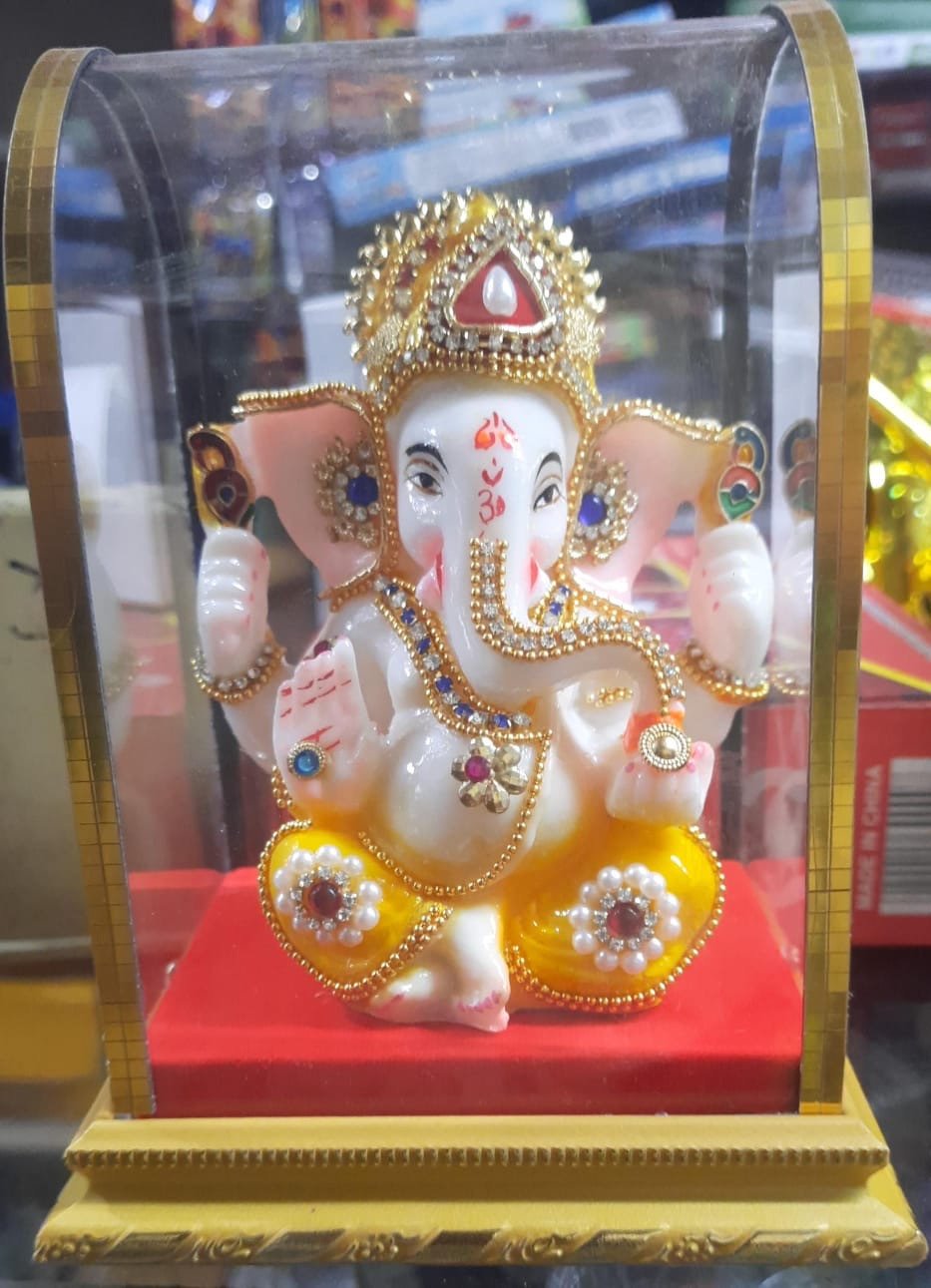
Shri Ganesha Show Piece
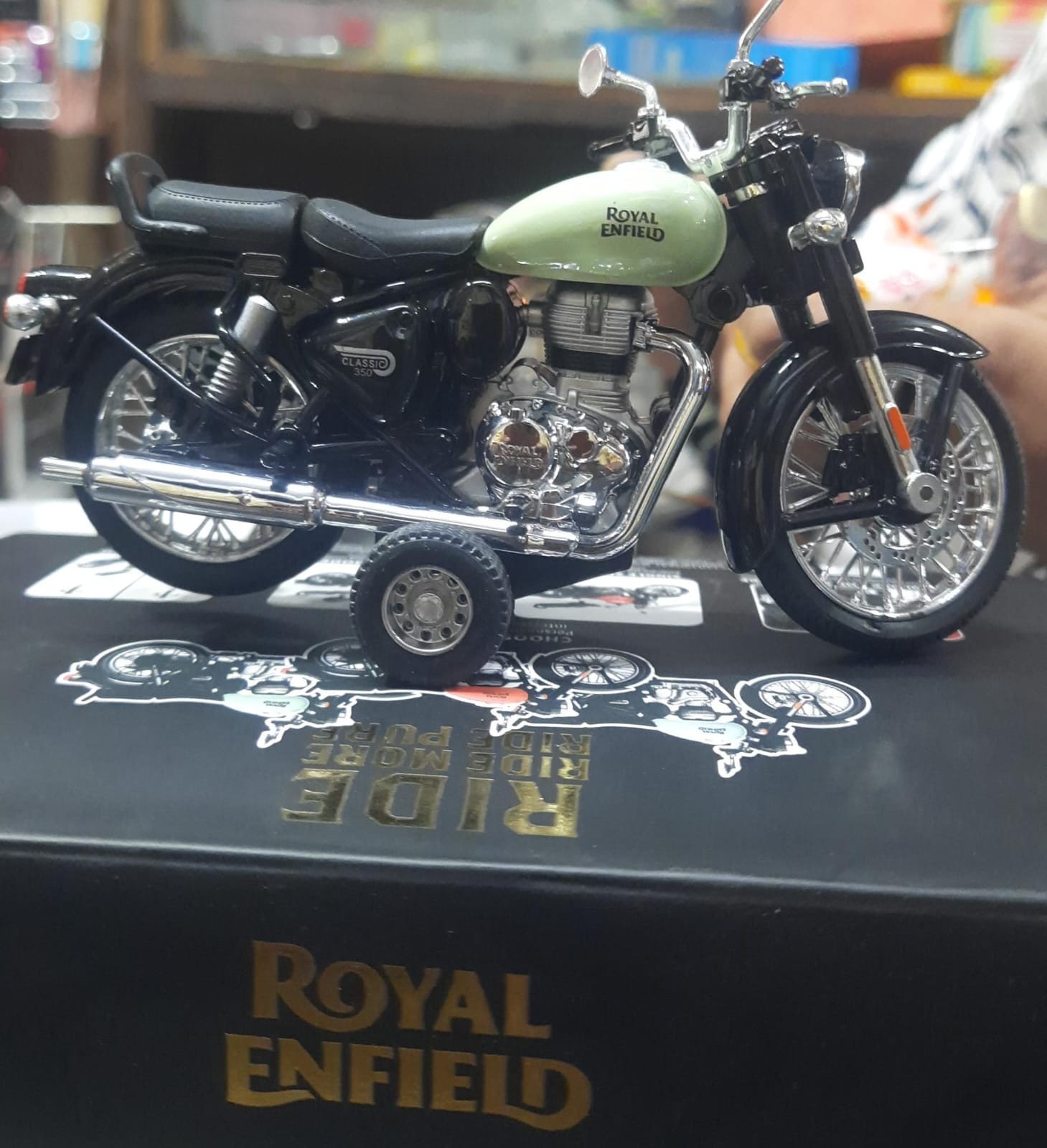
Royal Enfield Bike Show Piece
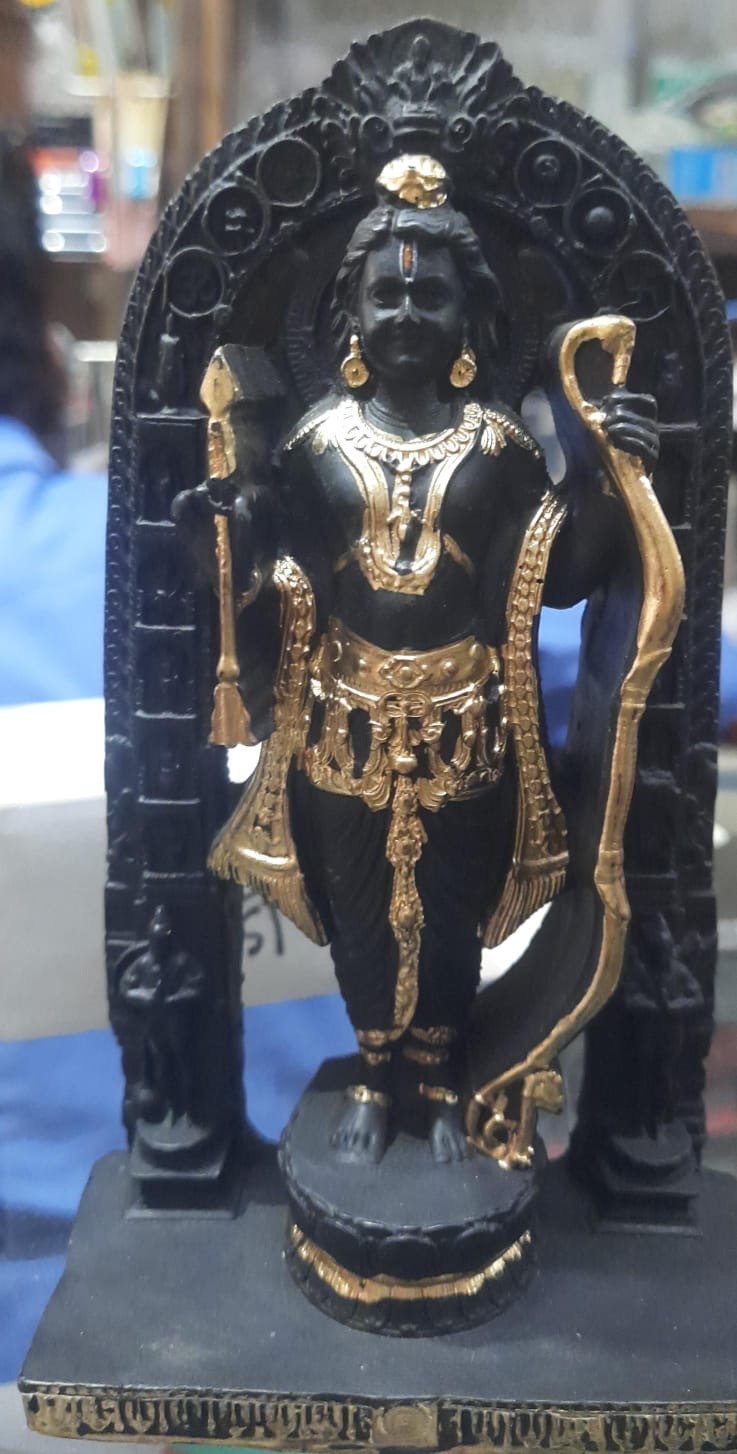
Bhagwan Shri Ram Idol
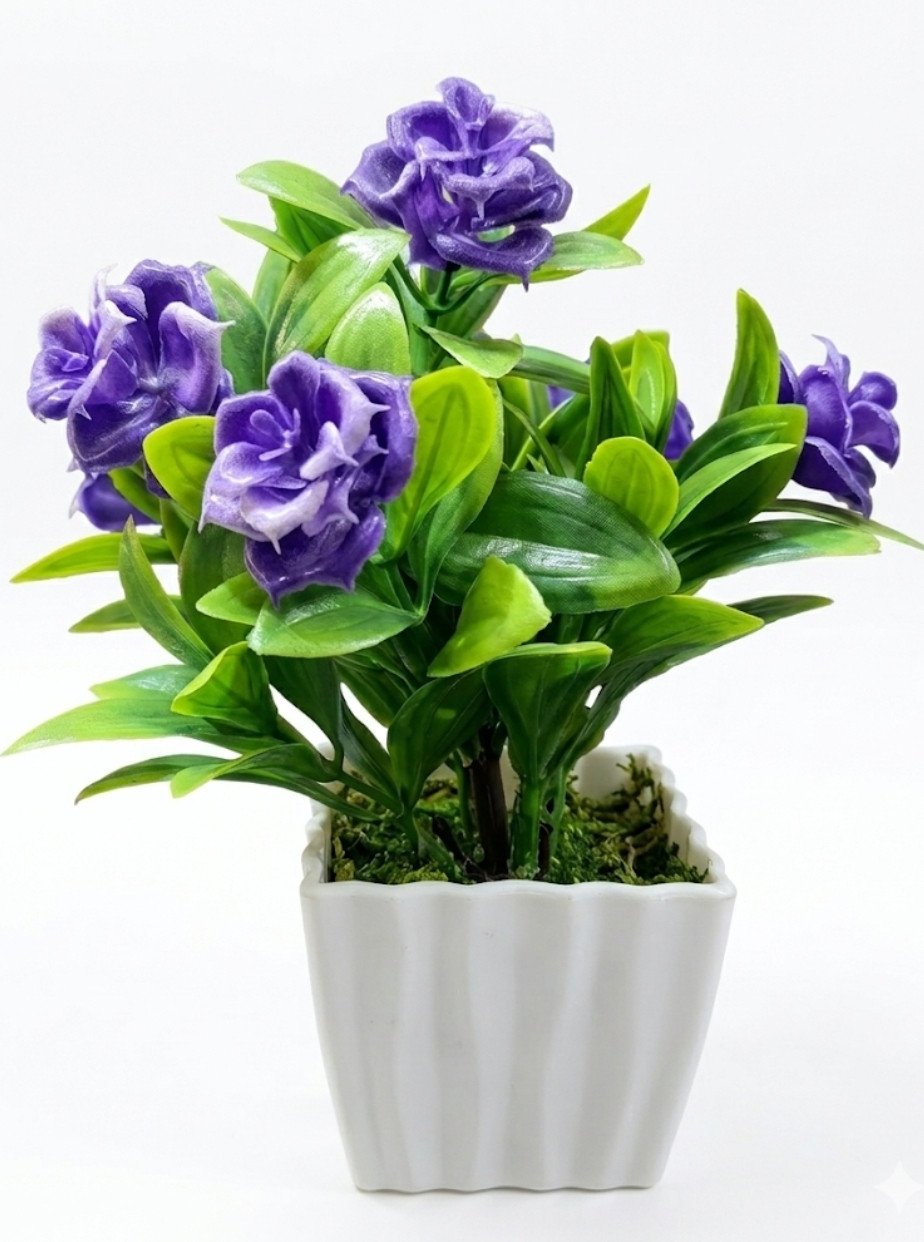
Flower pot
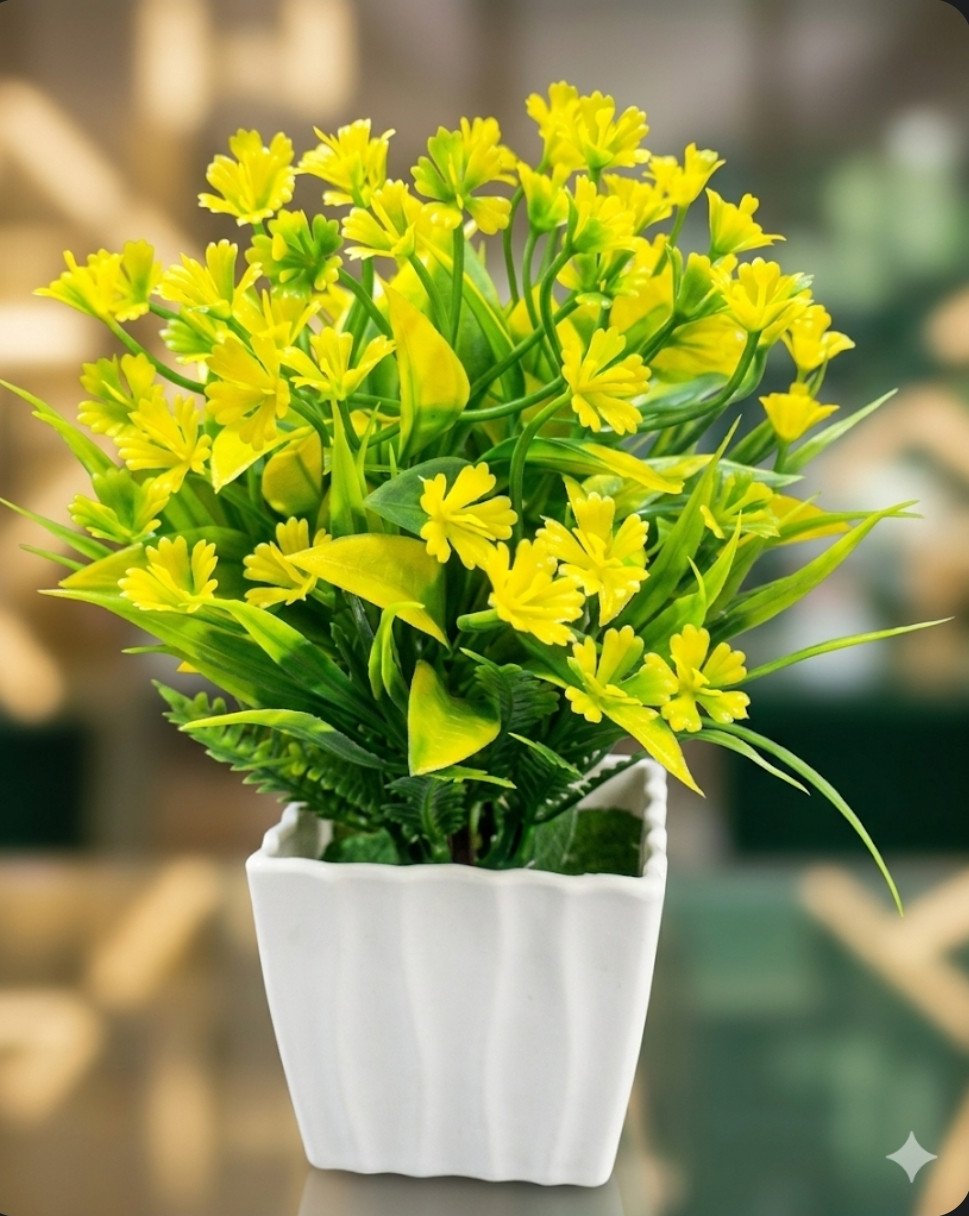
Flower pot
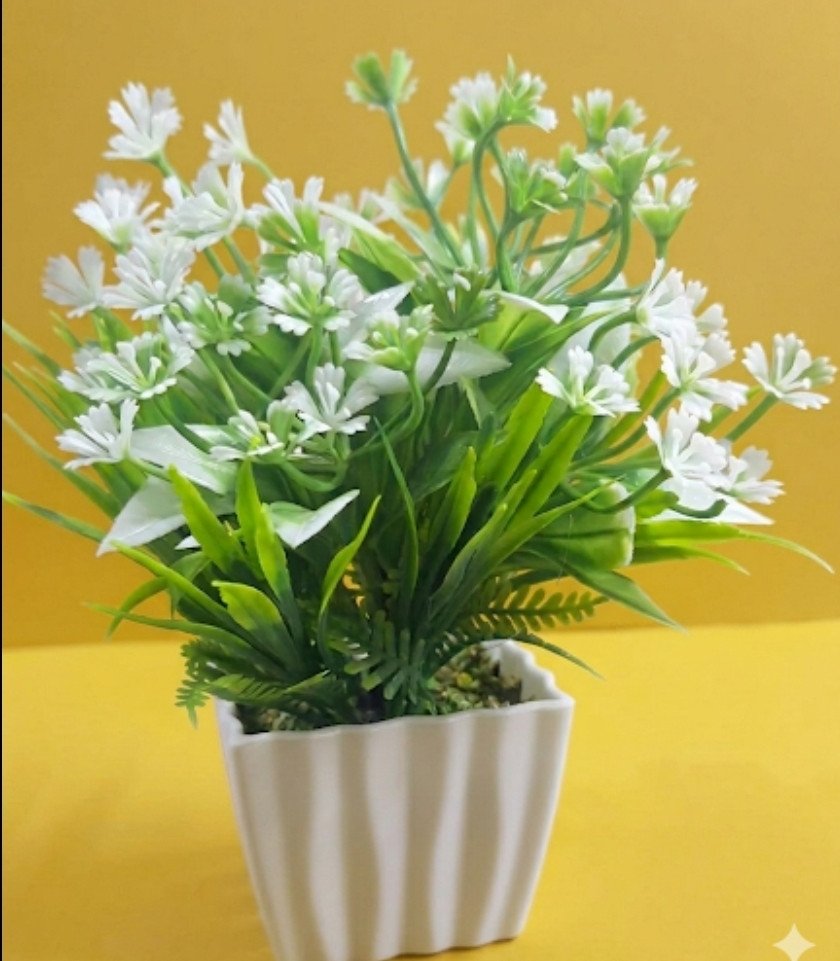
Flower pot
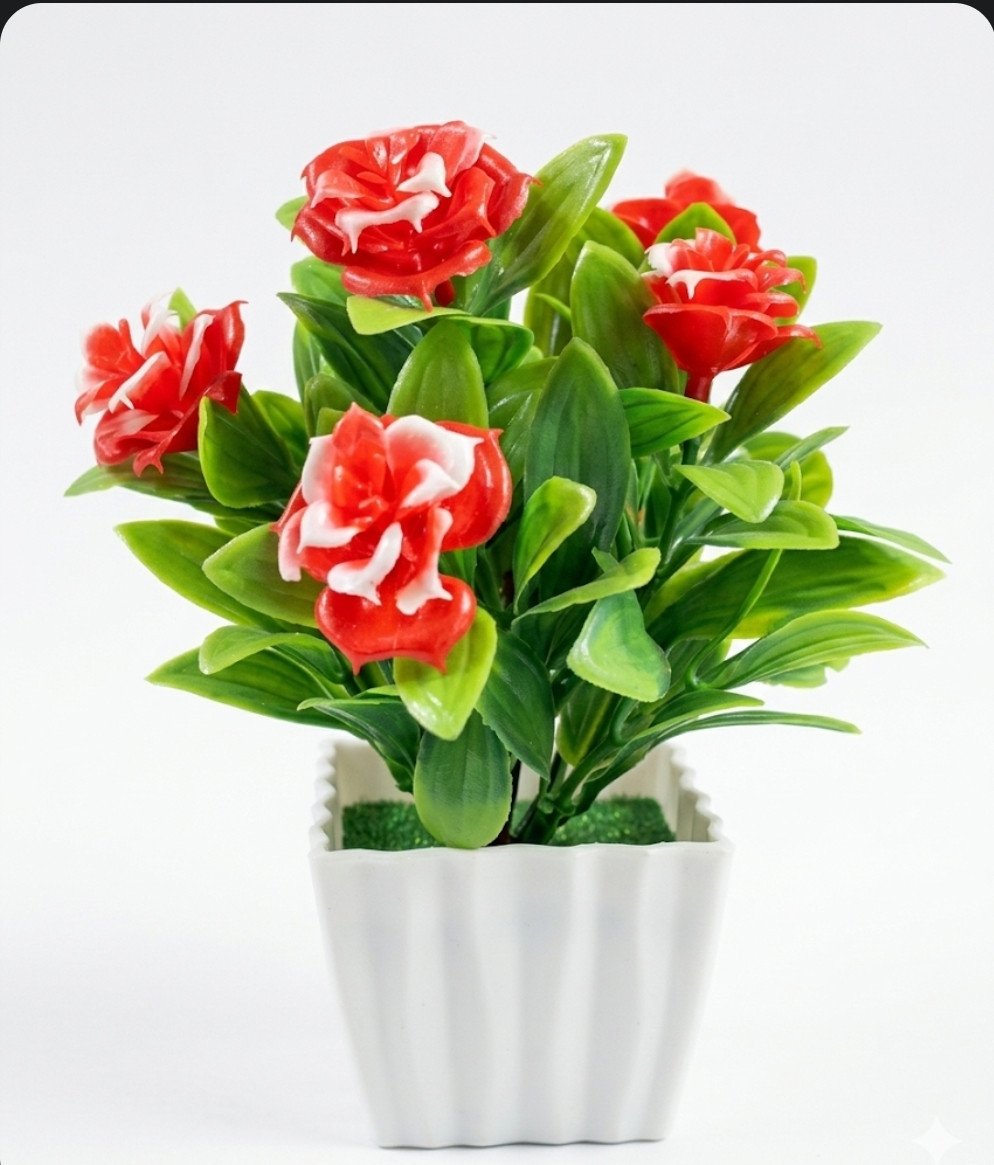
Flower pot
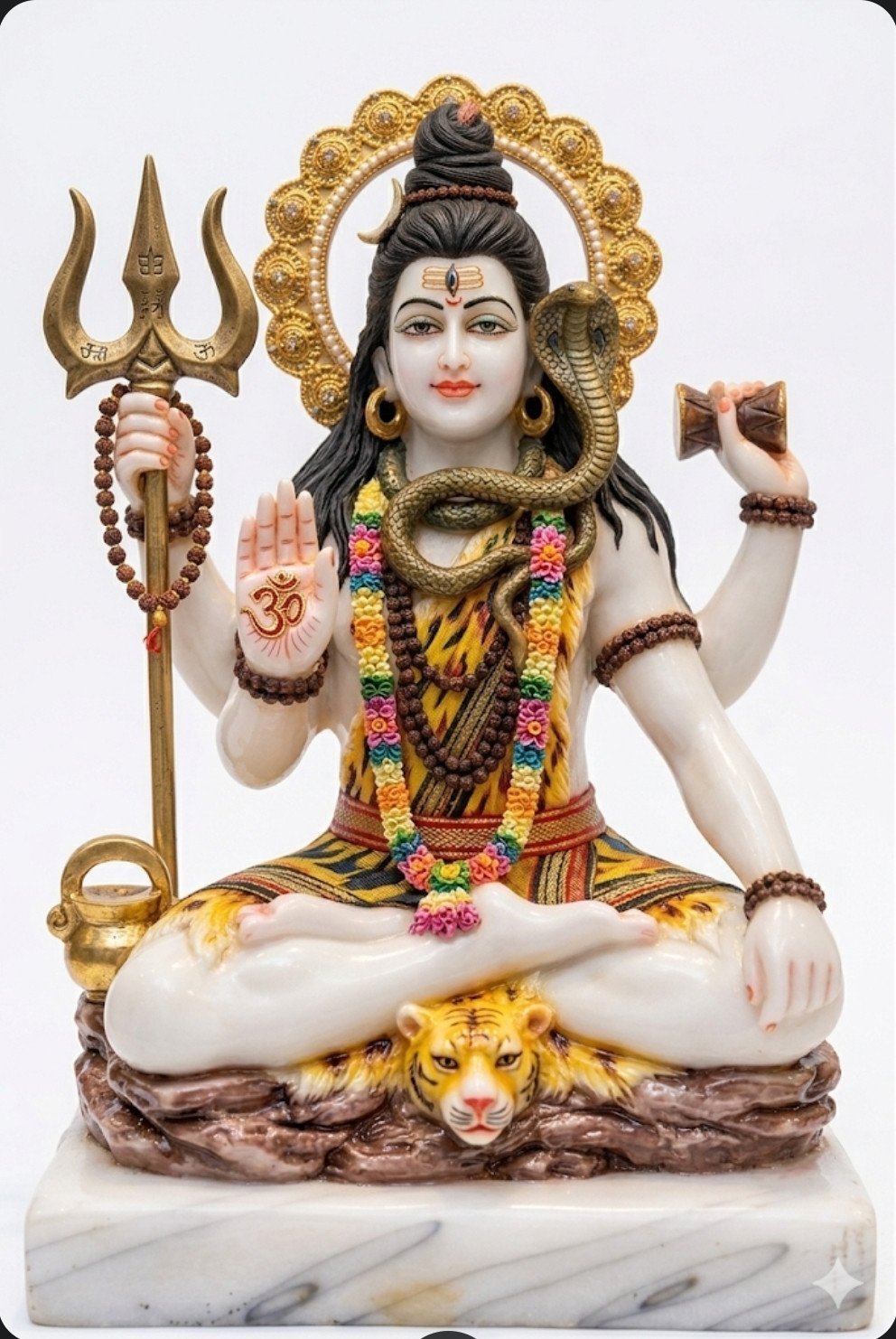
Lord Shiva idol
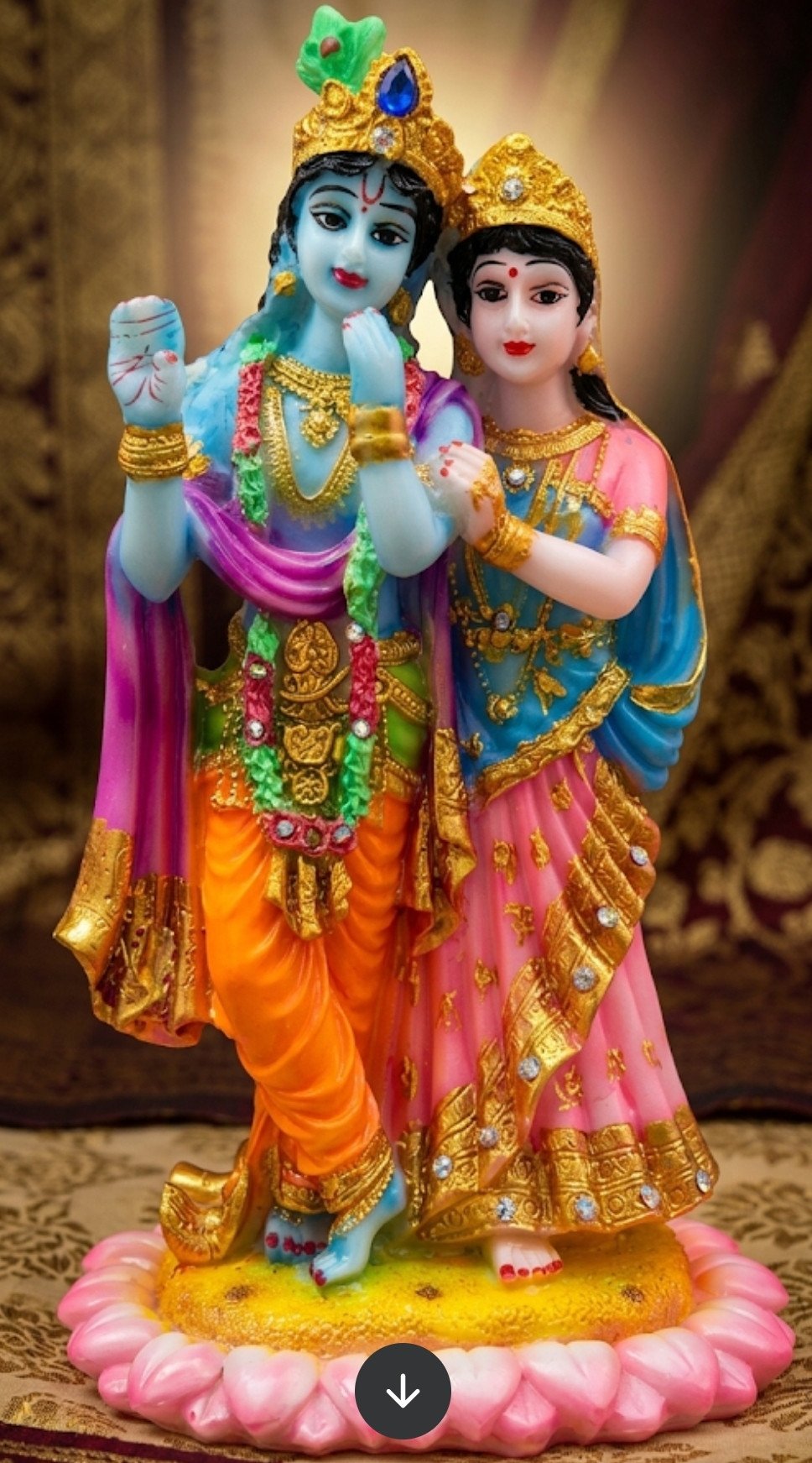
Radha and Krishna Idol
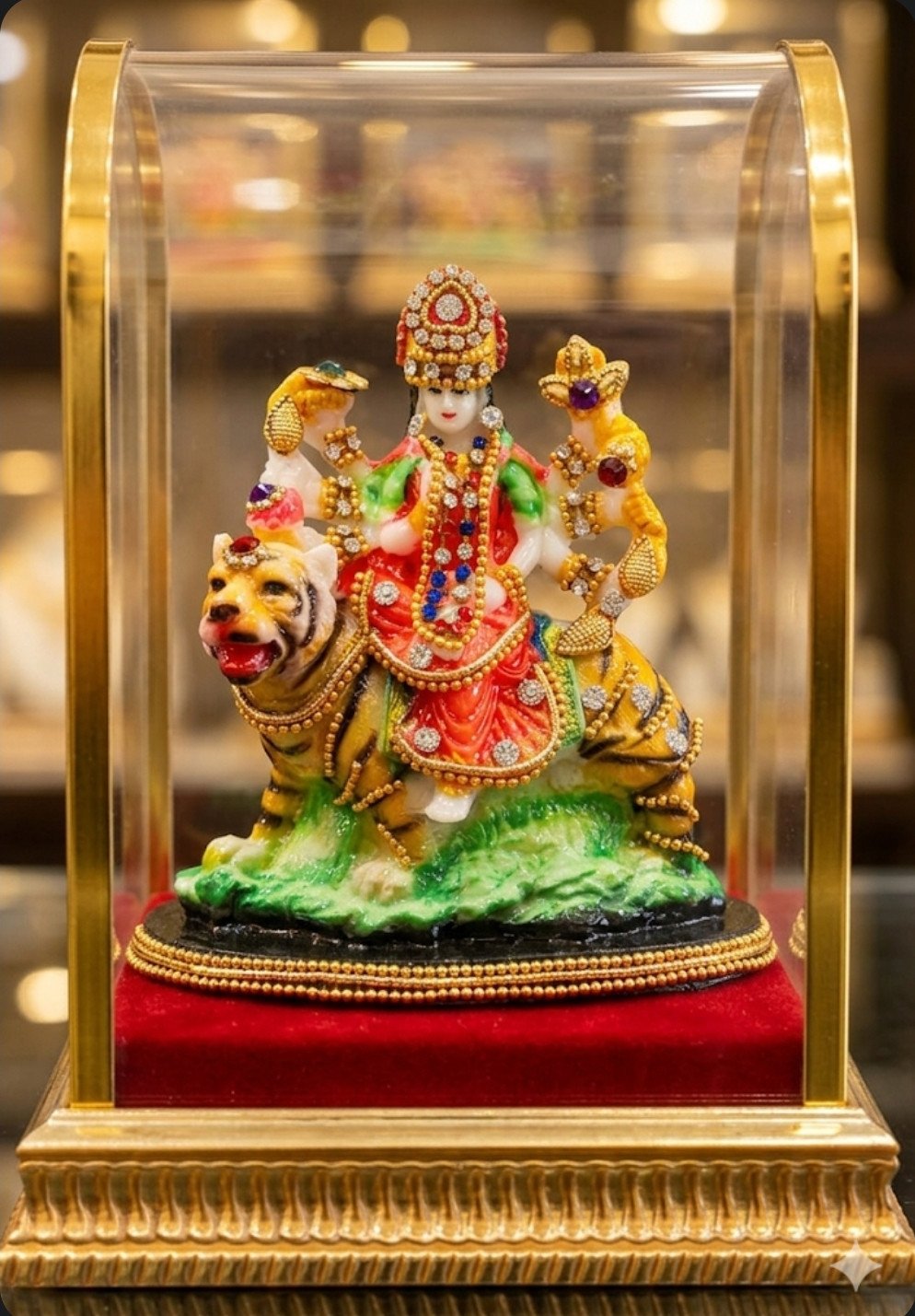
Maa Durga idol
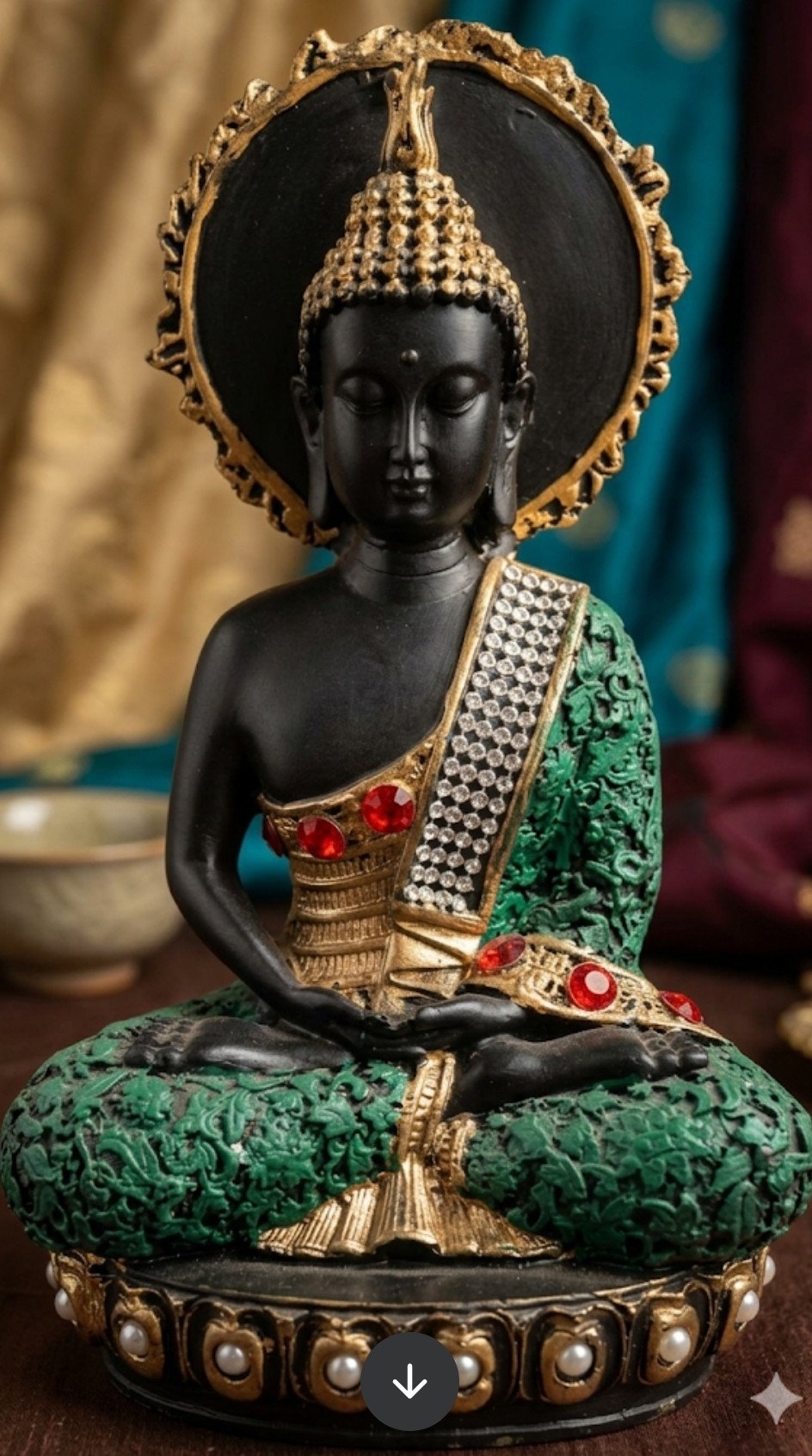
Buddha statue
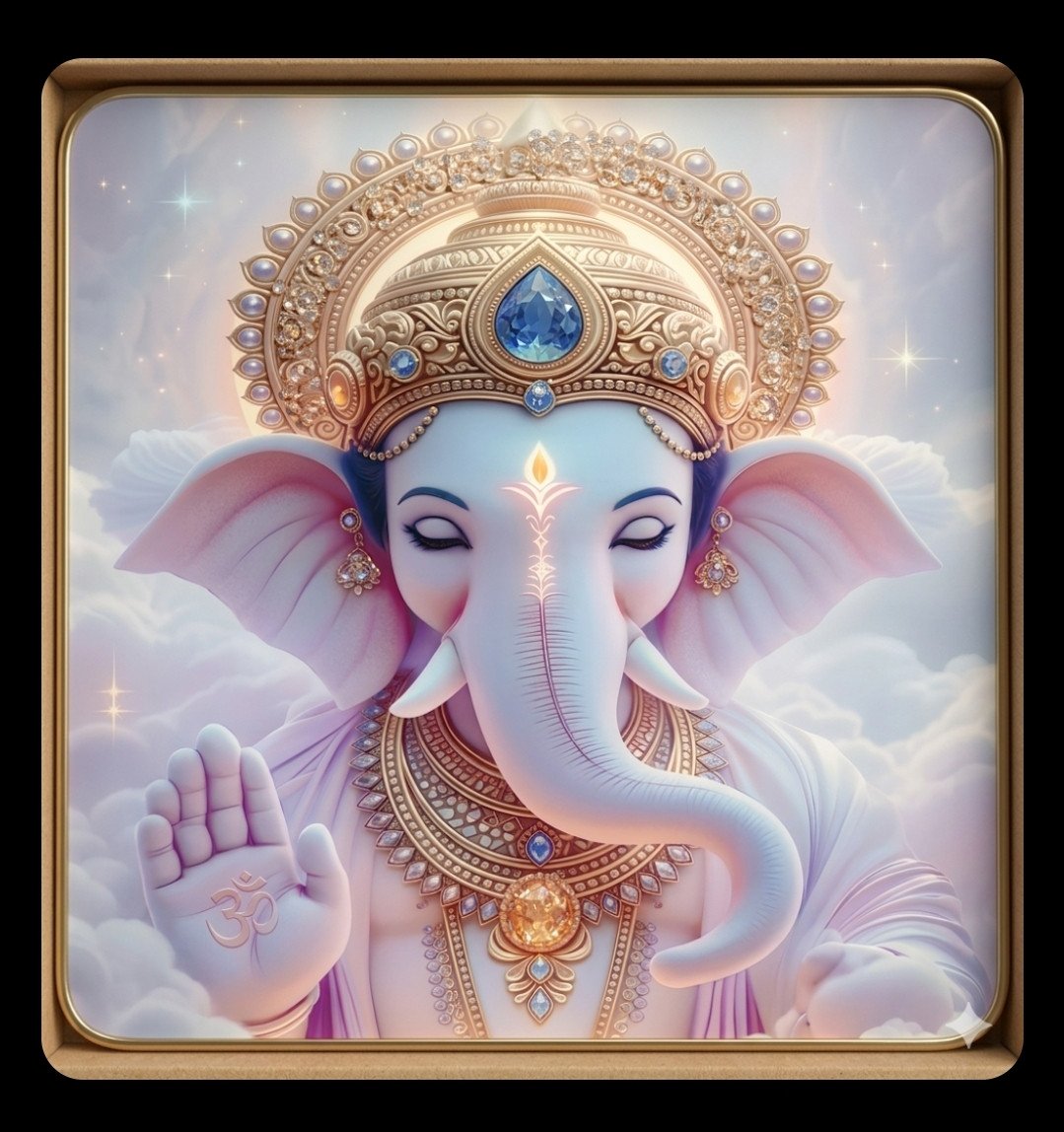
Lord Ganesha Photo Frame
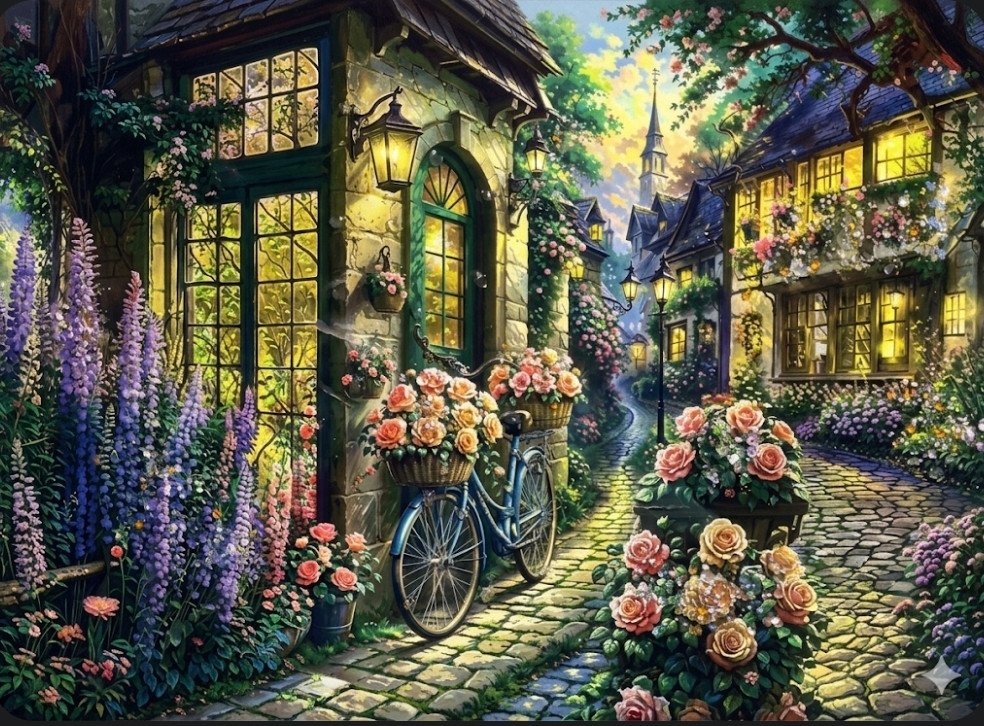
Photo Frame Scenery
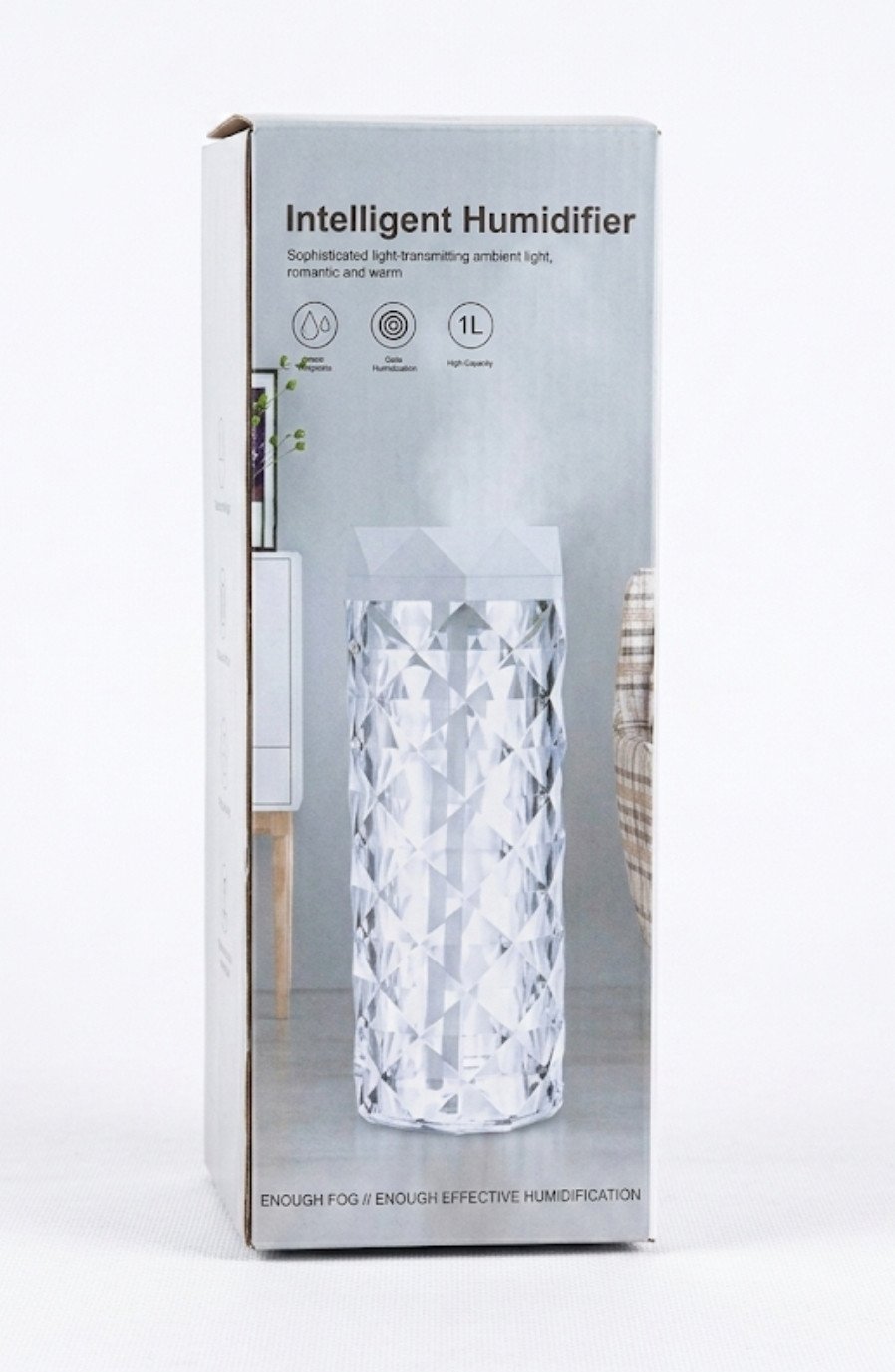
Intelligent Humidifier – Crystal Series (1L)

Colorful Cup Humidifier
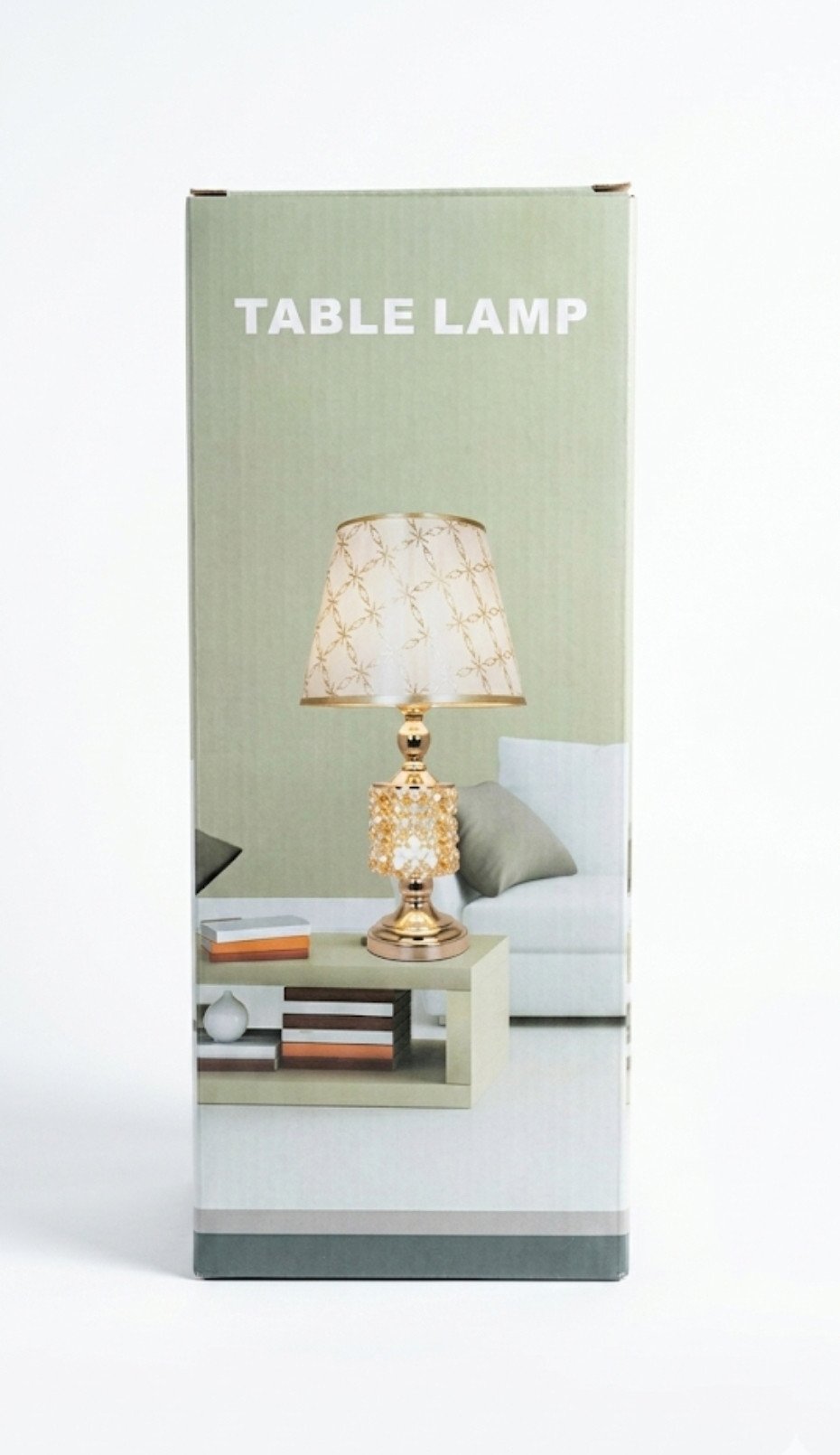
Elegant Crystal Base Table Lamp
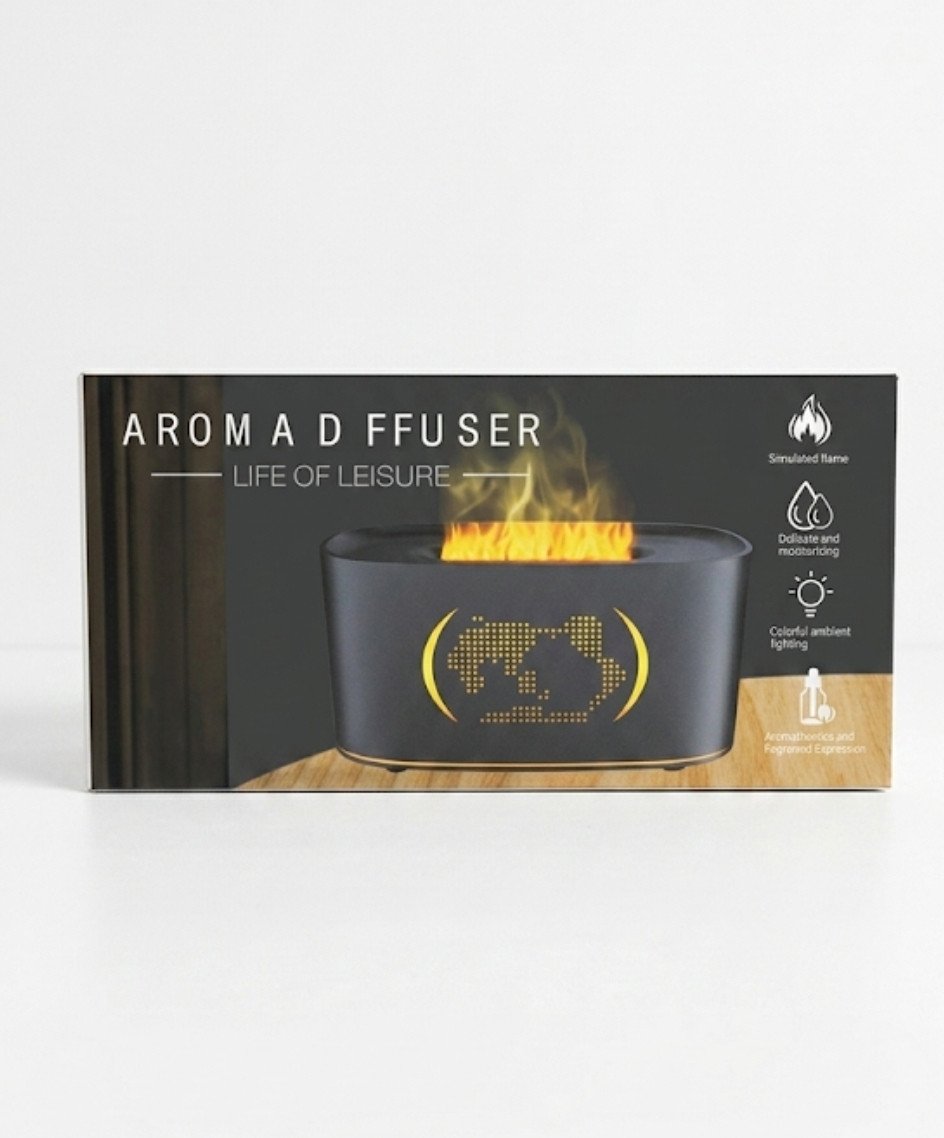
Aroma Diffuser
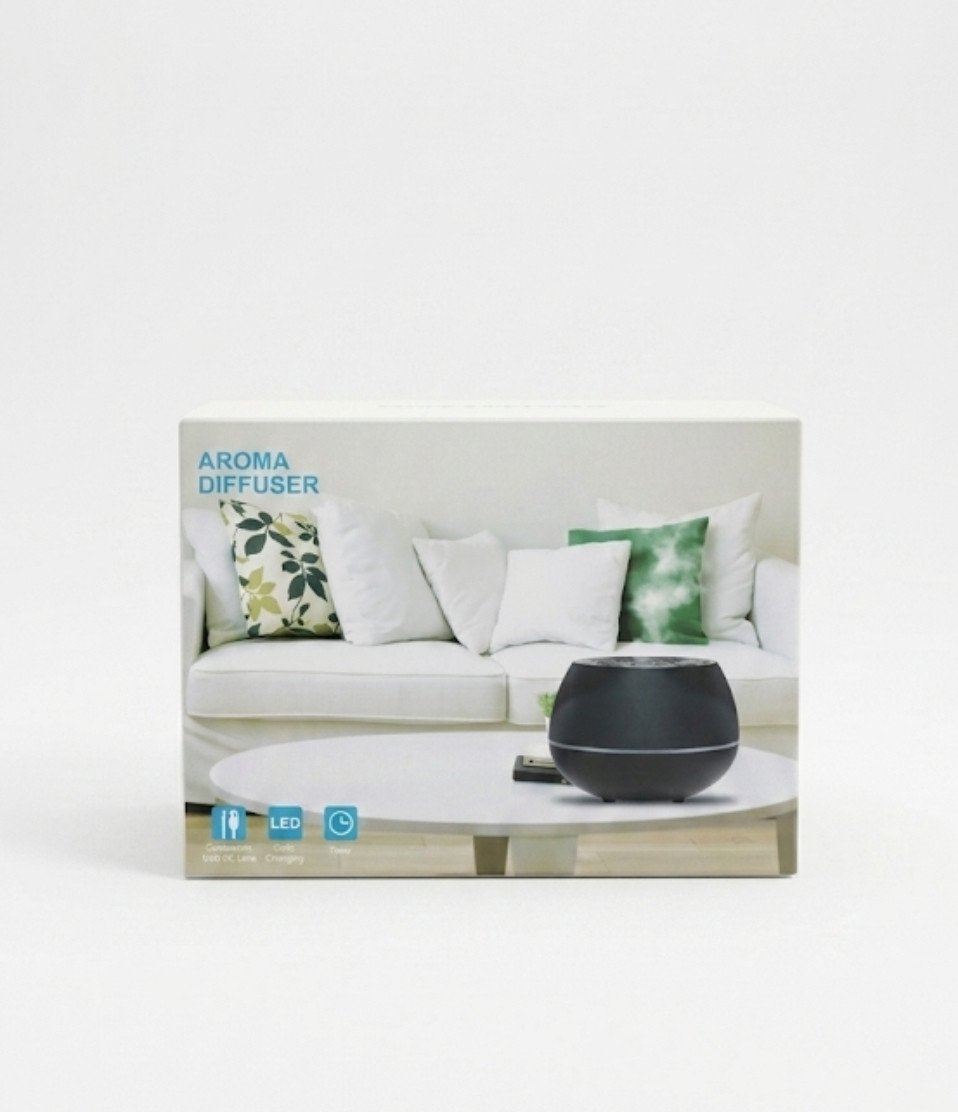
Aroma Diffuser
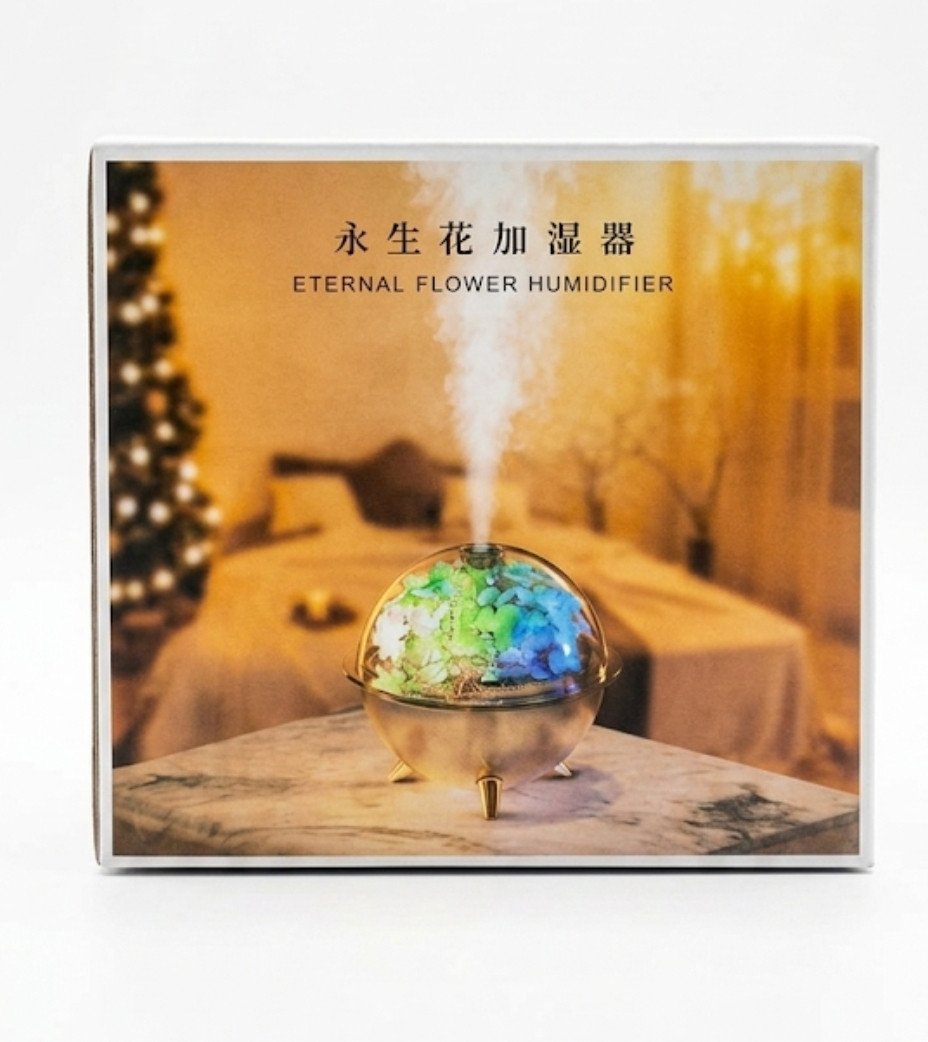
Eternal Flower Humidifier




Share with Friends
Trading is more effective when you share products with friends!Share you link
Share to